Valentine House Village Stand Review
As a designer who spends half my life staring at stitch charts and the other half trying to convince clients that "embroidery" isn't just a logo on a polo shirt, I approach every new digital asset with a mix of hope and skepticism. We are all drowning in low-quality SVGs and poorly digitized files that look like pixelated messes once they hit the hoop. That is why when I pulled up Valentine House Village Stand Laser Cut, I didn't just look at the preview image; I mentally ran it through my entire production workflow.
This file sits right at the intersection of two massive trends: the cozy, cottage-core aesthetic that dominates social media feeds and the demand for high-quality, laser-ready assets for hybrid crafting. But does it hold up as a serious machine embroidery design? Let’s dig into the practical realities of using this piece in real-world projects.
The First Impression: Mood and Layout
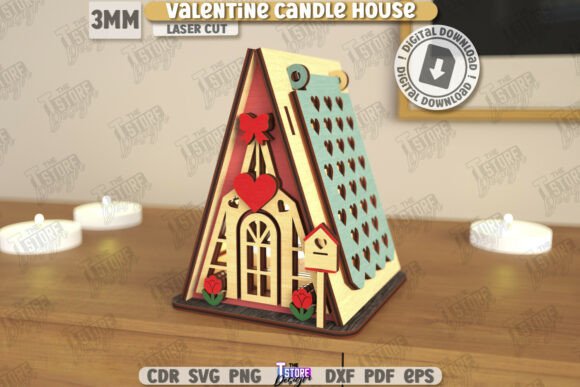
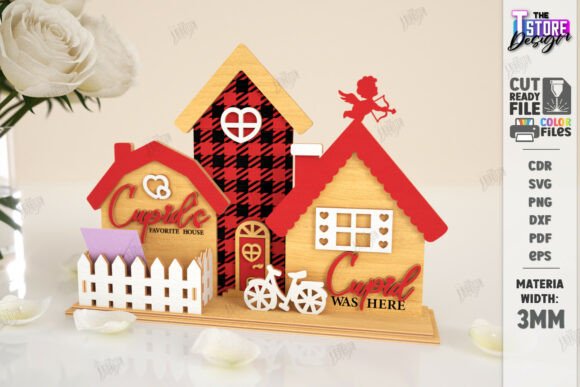
The moment you load this file, the visual personality jumps out. It isn’t just a generic heart or a cliché cupids arrow. The Valentine House Village Stand Laser Cut evokes a specific narrative—a miniature, romantic village scene centered around a charming house structure. This kind of thematic depth is rare in mass-market bundles. It feels curated.
From a layout perspective, the composition is balanced. It has a clear focal point (the house) with supporting elements that frame it without cluttering the negative space. For designers, this is crucial. When you place an embroidery file on a product, you need breathing room. This design respects that. It suggests a romantic home décor vibe that works beautifully for Valentine’s Day, but also carries enough warmth to be used for anniversaries or even general "home sweet home" themes later in the year.
Real-World Application: Where Does It Shine?
I don’t believe in designs that only live in digital mockups. A file is only as good as its performance on fabric. Here is how I see Valentine House Village Stand Laser Cut performing across different categories of handmade products.
Custom Apparel and Accessories
This design translates exceptionally well to custom apparel. Imagine a cream-colored canvas tote bag with this stitched in soft reds and creams. The contrast would be striking. Because the design features architectural lines, it holds up well on structured fabrics. However, I would hesitate to put this on a heavily textured sweatshirt unless the fabric is tightly woven. The intricate details of the "village" aspect could get lost in a boucle knit.
It also makes a fantastic addition to embroidered patch styles. If you are creating collectible pins or patches for craft fairs, this design offers enough detail to justify a premium price point. It looks like a boutique item, not a bulk commodity.
Home Décor and Textiles
For holiday embroidery focused on Valentine’s Day, this is a powerhouse. Picture a linen tea towel or a pillow cover. The fill stitch areas in the house walls and roof can add wonderful texture. When paired with proper thread colors, the dimensional quality of the stitching will elevate a simple kitchen towel into a gift-worthy item. It fits perfectly into the small shop product niche where buyers are looking for something unique rather than mass-produced decor.
The Laser Cutting Hybrid Advantage
One of the most compelling aspects of this product is its dual nature. The description highlights it as a Laser Cutting ready file. This opens up incredible possibilities for mixed-media projects. You aren't limited to just thread.
Consider this scenario: You cut the outline of the house using a Cricut or Silhouette from vinyl or felt, then use the embroidery file to stitch intricate window panes or door details onto the center. This technique adds immense value to your finished product. It shows craftsmanship and attention to detail that customers notice immediately. It bridges the gap between digital fabrication and traditional needlework, appealing to a broader audience of makers.
Practical Designer Notes: What to Watch Out For
Even the best designs have their pitfalls. Based on the complexity of a "village stand," there are specific technical considerations you must address before running this off the machine.
- Hoop Size Constraints: Ensure your machine’s hoop size accommodates the full width of the village scene. If the design is wide, you may need to reposition elements or split the design, which can complicate the final look.
- Stitch Density and Detail: Pay close attention to the small windows and doors. In embroidery, tiny details often turn into blobs if the stitch density is too high or the thread tension is off. Always test these small areas first.
- Fabric Compatibility: This design relies on clean lines. Avoid loose-weave fabrics like raw burlap unless you are using heavy stabilizer. For stretchy knits, a cut-away stabilizer is non-negotiable to prevent distortion of the house shape.
- Thread Contrast: The visual appeal depends heavily on color choice. On dark fabrics, you will need bright, contrasting threads to make the "laser cut" edges pop. On light fabrics, tonal threads can create a sophisticated, subtle effect.
Commercial Viability and Branding
For Etsy sellers and craft business owners, the question is always: "Will this sell?" My answer is yes, but with caveats. This design commands a higher perceived value because it looks custom and detailed. It is perfect for personalized gifts where you might add a name inside the house window.
However, do not rely solely on the file. Your presentation matters. Use this in printable mockup scenarios to show potential buyers how it looks on actual products. Show it on a mug, a card, and a tote. Context sells. When you present Valentine House Village Stand Laser Cut as part of a cohesive brand aesthetic—perhaps pairing it with matching tags or packaging—you build brand consistency that encourages repeat purchases.
Final Verdict
After mentally stress-testing this file against various project types, I find Valentine House Village Stand Laser Cut to be a strong addition to any designer’s library. It avoids the trap of being overly simplistic while remaining manageable for intermediate to advanced embroiderers.
It excels in creating emotional connections through its romantic, cottage-style theme. Whether you are making a quick gift for a neighbor or building a line of Valentine’s Day merchandise for your online store, this design provides the structural integrity and aesthetic charm needed to succeed. Just remember to check your licensing terms, test your stabilizer choices, and let the quality of the execution speak for itself. In the world of handmade goods, that is what truly builds customer trust.