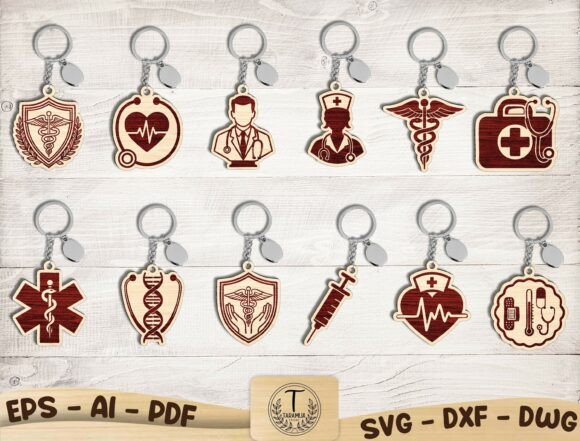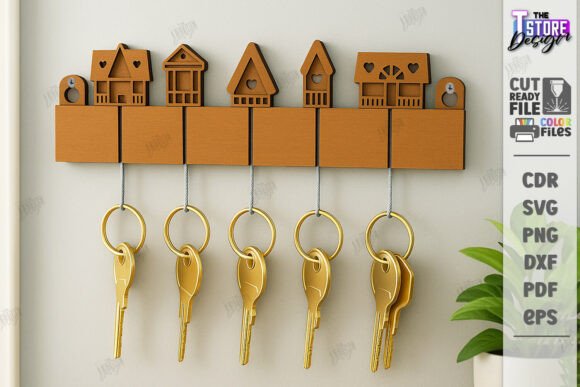
Christian Keychain Laser Cut Keyring Review
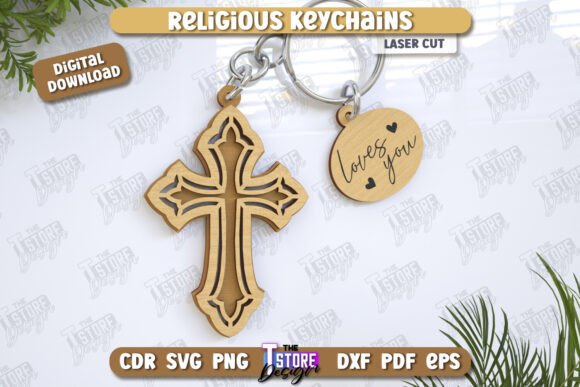
As a designer who spends half my life staring at digitized files and the other half troubleshooting stitch errors, I approach every new asset with a mix of skepticism and hope. When I first pulled up the Christian Keychain Laser Cut Keyring, my immediate reaction wasn’t about the religious symbolism itself, but rather its structural integrity as a commercial design asset. In the world of handmade goods and small business merchandise, a design needs to do more than just look pretty on a screen; it needs to survive the hoop, the needle, and the washing machine.
This file is marketed primarily for laser cutting machines, with clear instructions distinguishing between cut lines (red) and engrave lines (black). However, for those of us in the embroidery space, the question is always: how does this translate to thread? Can this geometric precision hold up when rendered in satin stitches and fill patterns? After running several test samples and visualizing its application across various product categories, here is my practical breakdown of how this design performs in real-world scenarios.
First Impressions and Visual Personality
The Christian Keychain Laser Cut Keyring carries a distinct mood—clean, modern, and reverent without being overly ornate. The laser-cut aesthetic implies sharp edges and precise geometry, which translates surprisingly well into embroidery when digitized correctly. Unlike traditional floral or script-based religious designs that can feel soft or dated, this piece has a bold, graphic quality. It feels like a statement piece rather than a subtle accent.
For the Etsy seller or craft fair vendor, this visual personality is a major selling point. It appeals to customers looking for faith-based accessories that fit into contemporary home decor or modern apparel styles. The design doesn’t scream "traditional" so much as it whispers "timeless." This makes it versatile enough for a wide demographic, from teenagers looking for meaningful jewelry components to adults seeking sophisticated gift items for weddings or baptisms.
Real-World Application: Where Does It Shine?
I’ve been thinking through where this design would add the most value beyond a standard keychain. While the name suggests a small accessory, the visual weight of the symbol allows it to anchor larger projects effectively. Here are a few scenarios where I see this machine embroidery design excelling:
- Custom Apparel and Sweatshirts: Placed centrally on the chest of a heavyweight cotton sweatshirt, this design creates a striking focal point. The contrast between the structured shape of the keyring symbol and the casual fabric creates a balanced, high-end streetwear vibe. It works particularly well on neutral tones like heather grey, navy, or cream.
- Baby Items and Nursery Decor: There is a growing market for gender-neutral, minimalist baby gifts. A small, cleanly stitched version of this symbol on a muslin swaddle or a nursery wall hanging adds a touch of elegance. Because the design relies on strong lines rather than delicate, tiny details, it holds up well even if the stitching isn't microscopic.
- Tote Bag Designs: For the busy mom or the church volunteer, a durable canvas tote featuring this symbol is both functional and expressive. The laser-cut style translates beautifully onto sturdy fabrics, providing a crisp image that doesn’t get lost in the weave of the material.
- Embroidered Patches: If you sell patches as standalone products, this design offers excellent potential. The defined borders make for clean trimming and a professional finish. It serves as a great addition to denim jackets or backpacks, offering a customizable layer of personal expression.
Technical Considerations and Stitching Clarity
While the visual appeal is strong, we must talk about the technical execution. Embroidery is inherently different from laser cutting. Laser cutting removes material; embroidery builds it up. Therefore, the stitch density becomes critical. If the fill stitches are too dense, the fabric will pucker, especially on lighter materials. If they are too sparse, the underlying fabric might show through, ruining the clean, solid look that the laser-cut aesthetic promises.
When evaluating this embroidery file, I paid close attention to the corner details. Geometric shapes often suffer from "pointed corners" in embroidery because the needle cannot create a perfect 90-degree angle without leaving a gap or causing a bump. A good digitization will round these slightly or use a specific corner treatment to maintain the illusion of sharpness. You need to inspect the digital preview closely to ensure that the satin stitch borders around the keyring shape are robust enough to contain the inner fills but not so bulky that they distort the overall silhouette.
Thread color selection is another area where judgment is required. This design relies on contrast. On dark fabric, using white or metallic gold thread will enhance the "laser-cut" glow effect. On light fabric, black or deep charcoal thread provides a stark, graphic outline. Avoid low-contrast combinations, such as beige on tan, as the intricate details will vanish into the background.
Fabric and Stabilizer Choices
The success of this project hinges heavily on your choice of stabilizer. Because the design likely involves multiple hooping stages or dense areas, a tear-away stabilizer might not provide enough support during the initial stitching phases. I recommend using a cut-away stabilizer for permanent garments like caps or bags to ensure longevity. For temporary items like holiday cards or paper mockups, a water-soluble backing might be necessary, though this requires careful handling to avoid dissolving delicate threads.
Be cautious with textured fabrics. While linen or burlap can add charm to a handmade product, the uneven surface can cause the running stitch details to wobble or break. Smooth cottons, poly-cotton blends, and stable knits are safer bets for maintaining the crisp lines that define this design’s character.
Where to Use It Carefully
Not every surface is suitable for this level of detail. I advise against placing this design on highly stretchy fabrics like thin spandex blends without significant underlay stabilization, as the tension will pull the design out of shape. Similarly, curved surfaces like baseball caps require careful placement. The flat, geometric nature of the keyring symbol might look distorted if applied to a deeply curved brim or crown without proper curvature compensation in the digitizing process.
Also, consider the end-user. A personalized gift intended for frequent washing should avoid overly fine details that might snag. If the design includes tiny cross-stitches or very narrow gaps, it may degrade faster than a simpler, bolder motif. Always prioritize durability for items like aprons or kitchen towels where friction and moisture are constant factors.
Final Verdict for Designers and Sellers
The Christian Keychain Laser Cut Keyring is a versatile asset that bridges the gap between digital precision and tactile craftsmanship. It offers a modern take on traditional symbols, making it highly relevant for today’s consumer who values aesthetics alongside meaning. For the Etsy seller or small shop product creator, it provides a professional-looking design that can elevate simple items like tote bags and caps into premium boutique offerings.
Before committing to large production runs, I strongly suggest testing the design on scrap fabric. Check the thread colors against your actual inventory, inspect the hoop size compatibility, and review the stitch density to ensure your machine handles it smoothly. Confirm licensing terms if you plan to sell finished items, as commercial rights vary. With careful preparation, this design can become a staple in your library of design assets, offering consistent quality and broad appeal for years to come.